Efficient Residential Septic Pumping: Keep Your System Happy and Healthy

Let’s face it - septic tanks aren’t the most glamorous topic, but they sure are important. If you live in Columbia County, Wisconsin, and rely on a septic system, you know it’s crucial to keep it running smoothly. Efficient residential septic pumping is the secret sauce to avoiding messy, costly problems down the line. I’m here to walk you through everything you need to know, with a sprinkle of humor and a whole lot of practical advice.
Why Residential Septic Pumping Matters More Than You Think
You might be thinking, “Why bother with septic pumping? It’s out of sight, out of mind.” Well, not quite. Your septic tank is like a mini wastewater treatment plant right in your backyard. It collects all the wastewater from your home and separates solids from liquids. Over time, solids build up and need to be removed. If you skip pumping, those solids can clog your drain field, leading to backups, bad smells, and expensive repairs.
Think of septic pumping like taking your car in for an oil change. You wouldn’t drive forever without it, right? Same deal here. Regular pumping keeps your system efficient and extends its lifespan. Plus, it saves you from the nightmare of a septic emergency - trust me, nobody wants that.
Caption: Regular septic tank maintenance starts with easy access to the tank lid.
What You Need to Know About Residential Septic Pumping
When it comes to residential septic pumping, there are a few key things to keep in mind:
Frequency: How often you pump depends on your tank size, household size, and water usage.
Professional Service: Always hire a licensed septic professional. They have the right tools and know-how.
Signs You Need Pumping: Slow drains, odors, soggy spots in the yard, or backups are red flags.
Cost: Pumping costs vary, but think of it as an investment in your home’s health.
Here’s a quick tip: keep a record of your pumping schedule. It’s easy to forget when it’s time, but a little note can save you headaches.
If you’re curious about the nitty-gritty of how often to pump, keep reading!

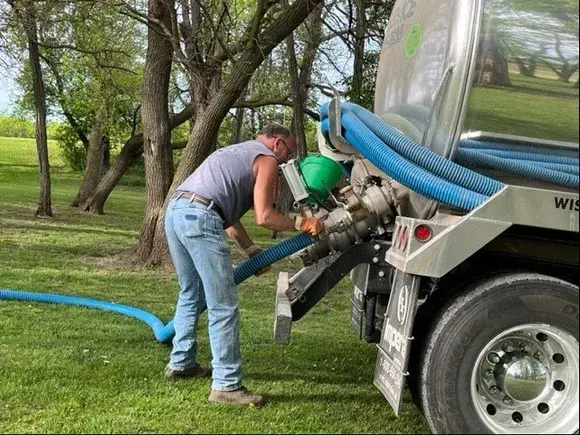
Caption: Professional septic pumping trucks are equipped to handle residential septic systems safely.
How Often Does a 1000 Gallon Septic Tank Need to Be Pumped Out?
Great question! A 1000 gallon septic tank is pretty common for a typical family home. The general rule of thumb is to pump it every 3 to 5 years. But here’s the catch - it depends on how many people live in your house and how much water you use.
For example:
A family of 2 might stretch it closer to 5 years.
A family of 5 should consider pumping every 2 to 3 years.
Why? Because more people means more wastewater and faster sludge buildup. Also, if you use a garbage disposal or do a lot of laundry, your tank fills up quicker.
If you’re unsure, a septic professional can inspect your tank and recommend the best schedule. Remember, waiting too long can cause solids to overflow into your drain field, which is a costly fix.
Tips for Efficient Residential Septic Pumping
Now that you know why and when to pump, let’s talk about how to make the process smooth and efficient:
Locate Your Tank and Keep It Accessible
Make sure your septic tank lid is easy to find and clear of debris or heavy landscaping. This saves time and hassle during pumping.
Schedule Pumping During Dry Weather
Wet ground can make access tricky and increase the risk of damage to your yard.
Use Water Wisely
Reducing water use helps your septic system work better and slows sludge buildup. Fix leaks, install water-saving fixtures, and spread out laundry loads.
Avoid Flushing Non-Biodegradable Items
Things like wipes, feminine products, and grease can clog your system.
Hire a Trusted Local Professional
Look for someone with good reviews and proper licensing. They’ll do the job right and can spot potential issues early.
By following these tips, you’ll keep your septic system happy and avoid surprises.
What Happens During a Septic Pumping Service?
If you’ve never had your septic tank pumped, you might wonder what actually happens. Here’s a quick rundown:
The technician locates the tank and uncovers the lid.
They use a vacuum truck to pump out the sludge and scum.
The tank is inspected for cracks or damage.
The technician checks the inlet and outlet pipes.
The lid is securely replaced.
The whole process usually takes about an hour or two. It’s not messy or smelly when done by a pro, so no worries there!
Keeping Your Septic System in Top Shape Year-Round
Efficient residential septic pumping is just one part of septic system care. Here are some ongoing habits to keep your system in tip-top shape:
Regular Inspections: Have your system checked every 1 to 3 years.
Protect Your Drain Field: Don’t park or build on it.
Manage Your Water Use: Spread out heavy water use days.
Avoid Chemicals: Harsh cleaners can kill helpful bacteria in your tank.
If you want to learn more or schedule your next service, check out home septic tank pumping options available locally.
Ready to Keep Your Septic System Running Smoothly?
Taking care of your septic system doesn’t have to be a headache. With regular pumping, smart water use, and a trusted professional on your side, you’ll avoid costly repairs and keep your home safe and comfortable. Remember, a little effort now saves a lot of trouble later.
If you’re in Columbia County, Wisconsin, and need reliable septic services, you know who to call. Keep your septic system happy, and it will keep your home happy too!


Comments