Septic Tank Filters: What They Do and Why They Need Regular Cleaning

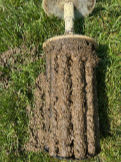
Many homeowners don’t realize their septic system may include a filter designed to protect the drainfield. These filters play an important role in preventing clogs and helping your septic system operate efficiently.
What Does a Septic Filter Do?
A septic filter helps trap solids before they can enter the drainfield. By stopping debris and waste particles from flowing into the drainfield pipes, the filter helps extend the life of your septic system.
Without a functioning filter, solids can enter the drainfield and cause costly repairs or system failure.
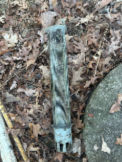
Different Types of Septic Filters
There are several types of septic filters used in systems today. The specific filter used depends on the type and design of the septic system installed at the property.
Some septic systems may not have filters at all, while others rely heavily on them to prevent blockages.
Why Regular Cleaning Is Important
Like any filter, septic filters can become clogged over time.
A clogged filter can cause problems such as:
Slow drains inside the home
Wastewater backing up
Increased pressure on the septic tank
For this reason, filters should typically be cleaned every six months.
How Septic Filters Are Cleaned
Cleaning a septic filter is usually a simple process that involves removing the filter and rinsing it off with a hose to remove debris.
However, if the filter becomes heavily clogged, it can cause wastewater to back up into the home, which is why routine maintenance is so important.
Prevent Problems with Regular Septic Maintenance
Routine septic maintenance helps prevent unexpected issues and keeps your system running smoothly for years.
If you’re unsure whether your septic system has a filter or when it was last cleaned, our team would be happy to take a look and help you stay on schedule with proper maintenance.


Comments